
Simology Adds 25 New Destinations (Q4 2025): Coverage & Intro Pricing

Blog

Simology Adds 25 New Destinations (Q4 ...

Simology Adds 25 New Destinations (Q4 2025): Coverage & Intro Pricing

29 Oct 2025

Simology Adds 25 New Destinations (Q4 2025): Coverage & Intro Pricing

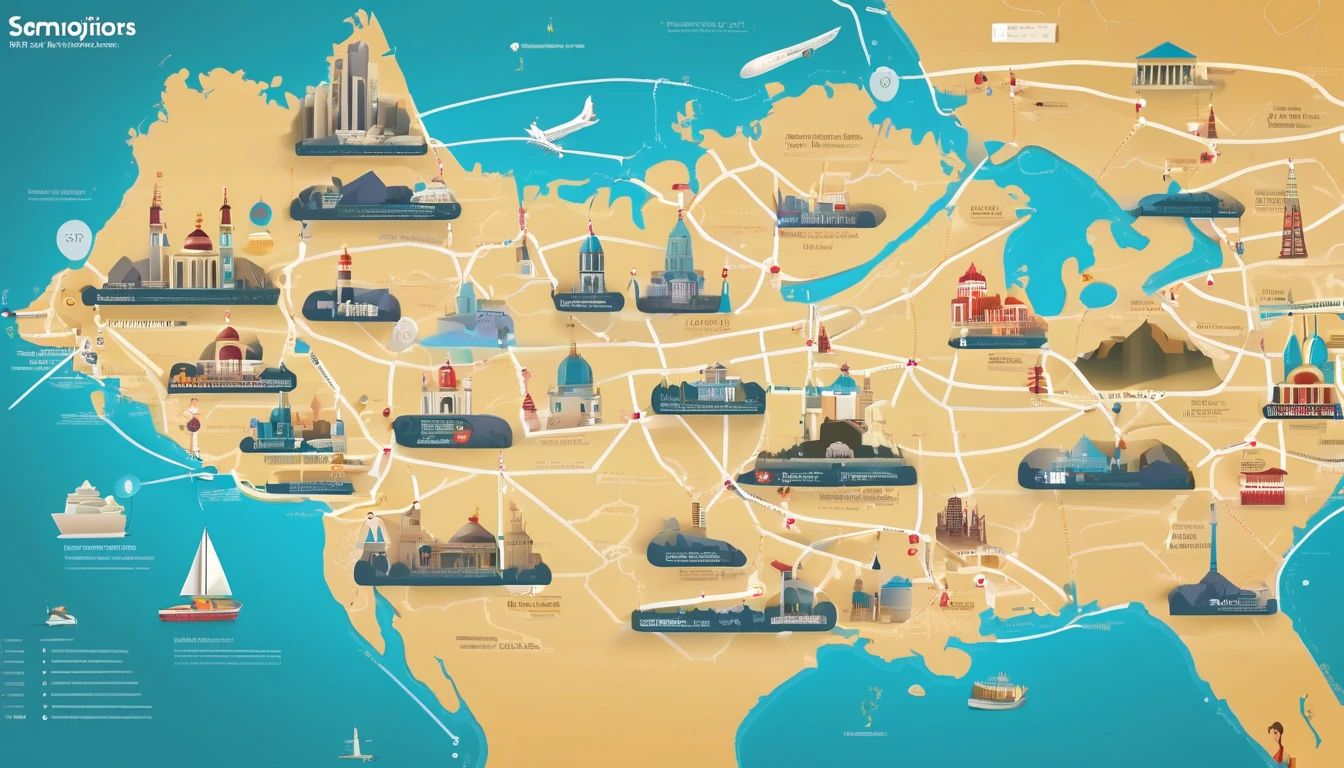
Simology is closing out the year with more places you can land, scan a QR code, and be online in minutes. Today we’re adding 25 new eSIM destinations across Africa, Asia–Pacific, the Middle East, the Balkans and the Caribbean/Central America. Expect fast 4G/5G where available, straightforward plans, and the same traveller‑first setup flow you know. Our interactive coverage map and per‑country pages are now live on Destinations. To mark the launch, we’re offering introductory pricing on all 25 additions through the end of the year. If you’ve been searching for “simology new destinations” to plan Q4 getaways or early‑2026 trips, this is your one‑stop update.

Below you’ll find the full country list, the launch pricing window, how to get connected step‑by‑step, and quick links to our most‑booked regions. There’s also a concise FAQ covering device support, dual‑SIM use, hotspotting and 5G.

What’s new in Q4 2025

  • 25 new countries added to the Simology network
  • Wider coverage in East Africa, the Balkans and mainland Southeast Asia
  • Fresh island coverage in the Caribbean and the South Pacific
  • 4G/5G on major local networks (5G where available)
  • Interactive map and per‑country details live on Destinations

The 25 new destinations (by region)

Use the list below to jump‑start planning, then check per‑country plan sizes, supported bands and activation notes on Destinations.

Africa (8)

  • Egypt
  • Ghana
  • Kenya
  • Morocco
  • Nigeria
  • Rwanda
  • Tanzania
  • Uganda

Coverage at a glance: Urban 4G in all; 5G live or rolling out in select cities (e.g., Cairo, Nairobi, Casablanca, Lagos).

Middle East (5)

  • Bahrain
  • Jordan
  • Kuwait
  • Lebanon
  • Oman

Coverage at a glance: Strong urban 4G; 5G live in major hubs like Manama, Amman and Muscat.

Asia–Pacific (7)

  • Cambodia
  • Fiji
  • Laos
  • Mongolia
  • Nepal
  • Sri Lanka
  • Vietnam

Coverage at a glance: Broad 4G in capitals and key tourist routes; 5G available or piloting in Vietnam and Sri Lanka.

Balkans/Eastern Europe (5)

  • Albania
  • Bosnia and Herzegovina
  • Montenegro
  • North Macedonia
  • Serbia

Coverage at a glance: Solid 4G on primary corridors and city centres; emerging 5G in Belgrade and Tirana.

Caribbean & Central America (5)

  • Bahamas
  • Barbados
  • Costa Rica
  • Dominican Republic
  • Jamaica

Coverage at a glance: 4G in resort areas and cities; 5G in select urban zones.

Pro tip: Travelling across multiple countries on one trip? Browse our regional products like Esim Western Europe and Esim North America for multi‑country simplicity, then add any of the new single‑country eSIMs as needed.

Introductory pricing: what to expect and when to buy

We’re marking this rollout with a simple, time‑boxed launch offer.

  • Launch window: Purchases made between 21 October and 31 December 2025
  • Activation grace: Activate anytime within 60 days of purchase (perfect for early‑2026 travel)
  • Typical launch bundles:
  • Light use (maps, messaging): from US$4.50–US$7 for 1 GB / 7 days in select destinations
  • Balanced (navigation + social + ride‑hailing): from US$9–US$14 for 3–5 GB / 10–15 days
  • Heavy (video + cloud + tethering): from US$18–US$29 for 10–15 GB / 15–30 days
  • Top‑ups: Available in‑app at the same intro rates during the window

Notes: - Exact pricing varies by country and local taxes.
- 5G access is included where supported by local networks and device bands.
- Buy before 31 December 2025 to lock in intro pricing; you’ll still have 60 days to activate.

How to lock it in: 1) Decide on your destination(s) and data needs.
2) Buy the eSIM during the launch window.
3) Install now or later; activate on first network attach in‑country within 60 days.

How to get connected in the new destinations

Here’s the fastest route from “wheels down” to “online”.

Step‑by‑step setup

1) Check device compatibility before you book - iPhone XS/XR or newer, Google Pixel 3 or newer, recent Samsung Galaxy/Flip/Fold, and many mid‑range Androids support eSIM. - Dual‑SIM users: You can keep your primary number active for calls/SMS while using Simology for data.

2) Buy the plan - Go to Destinations and select your country. - Pick a bundle that matches your trip length and data habits (see “Typical launch bundles” above).

3) Install the eSIM - Scan the QR code or use the install link on the device. - Name the line (e.g., “Simology Kenya”) so you can spot it later.

4) Configure data settings - Set Simology as the “Mobile Data” line.
- Toggle “Data Roaming” ON for the Simology line.
- Leave your personal line as “Calls & SMS” if you still want your home number reachable.

5) Land and connect - On arrival, switch off Airplane Mode and wait up to 2 minutes.
- You’ll attach to a top‑tier local network automatically; APN is configured for you.

6) Test and optimise - Open a browser to confirm data.
- If speeds seem slow indoors, toggle 5G/4G or move near a window.
- Enable Wi‑Fi Calling on your home line if you need to place voice calls using Wi‑Fi.

Pre‑travel checklist

  • Update iOS/Android to the latest version.
  • Ensure your device is not SIM‑locked by your carrier.
  • Charge above 50% and keep a charger in hand for QR scanning at the airport.
  • Download offline maps as a backup (just in case).
  • Save the eSIM QR code to a second device or print it.

Pro tips from frequent travellers

  • Keep your personal number for WhatsApp/iMessage: Set Simology as “Data Only” and your home SIM as the default for voice/SMS. Your chat identity won’t change.
  • Tethering: Most of the new destinations allow hotspot use; if you rely on it for a laptop, pick a larger bundle (10 GB or more).
  • 5G vs 4G: 5G is brilliant for large downloads and hotspots; for maps and rides, 4G is usually indistinguishable. Don’t chase 5G bars—chase reliability.
  • Border hoppers: If you’re crossing multiple Balkan borders in a day, toggle data OFF during crossings to avoid brief attach to the wrong country. Re‑enable once you’ve arrived.
  • Staying longer? It’s often cheaper to top up the same eSIM than to buy a second one; use in‑app top‑ups at launch rates during the window.

Planning beyond the new additions? These popular products cover major multi‑country trips and core city breaks:

Not sure which product is best? Start on Destinations and filter by country, region, and plan length.

For teams and partners

  • Travelling for work or moving a team? Centralise purchases, set usage policies and get consolidated billing with For Business. It’s ideal for short‑notice trips, events, and distributed teams.
  • Travel brands, TMCs and fintechs: Integrate eSIMs natively or co‑market destination bundles via our Partner Hub.

FAQ: devices, dual‑SIM and practicalities

1) Will my phone work with Simology in the new destinations?
Most modern iPhones (XS/XR and newer), Google Pixels (3 and newer), Samsung S/Note/Z series, and many recent Androids support eSIM. On Destinations, each country page lists compatible bands and any device caveats. If your handset is carrier‑locked, ask your provider to unlock it before travel.

2) Can I keep my home number for calls while using Simology for data?
Yes. Set Simology as the “Mobile Data” line and keep your physical SIM (or second eSIM) as the default for voice/SMS. Your WhatsApp, Signal and iMessage identity stays tied to your home number unless you change it in‑app.

3) Do you support tethering/hotspot?
Yes in most countries, including the new additions. If tethering is essential, choose a larger data bundle and test hotspot after you land. Some networks may manage speed during heavy tethering sessions to preserve capacity.

4) Will I get 5G?
Where the local partner network offers 5G and your device/bands support it, you’ll see 5G. Otherwise you’ll attach to the fastest available 4G. In many destinations, the real‑world difference for maps and messaging is minimal; 5G shines for large downloads and hotspotting.

5) How long do I have to activate after purchase?
For the Q4 launch offer, you have 60 days to activate from the purchase date. Buy before 31 December 2025 to lock in intro pricing, even if your trip is early 2026.

6) Can I use one eSIM across multiple new countries?
These are single‑country products. If you’ll move across borders, combine them with regional products such as Esim Western Europe or Esim North America, then add single‑country eSIMs in destinations not covered by a regional pass.

The bottom line

With 25 new destinations now live, Simology covers more of the trips you actually take—from Nairobi safaris and Vietnamese food tours to Balkan rail loops and Caribbean island‑hops. The launch window runs through 31 December 2025, with 60 days to activate—ideal for locking in value now and travelling later.

Next step: Explore country‑by‑country plans and our live coverage map on Destinations.

Read more blogs

EU Long Stays: Fair‑Use for Nomads & Students (90/180‑Day Rule)

EU Long Stays: Fair‑Use for Nomads & Students (90/180‑Day Rule)

Planning a long stretch around Europe? Here’s the traveller‑first guide to EU fair use on long stays. Confusion often comes from mixing two different systems: immigration rules (the Schengen 90/180‑day stay limit) and telecom rules (EU roaming fair use). They are not the same. Immigration limits how long you can stay. Telecom fair use limits how long you can roam on an EU plan before surcharges kick in. If you’re a student with local residency, you’re treated differently to a roaming nomad bouncing between countries. And regional eSIMs add a third option that avoids most “home vs abroad” checks altogether. This guide cuts through the jargon with plain‑English explanations, examples you can copy, and practical checklists to keep your connectivity clean and cost‑predictable. If you just want a solution: country eSIMs are best when you settle in one place; regional EU eSIMs shine for multi‑country hops. Keep reading for the details and how to choose.The quick version: Fair‑use vs 90/18090/180 rule: Immigration. Most visa‑exempt visitors can stay in the Schengen Area up to 90 days in any 180‑day period. Nothing to do with mobile plans.EU roaming fair use: Telecom. EU/EEA operators let their customers “roam like at home” across the EU. To stop permanent roaming, they can apply fair‑use checks over a four‑month window and, if triggered, add regulated surcharges after warning you.Regional travel eSIMs: These are made for roaming. They don’t rely on EU “roam like at home” privileges, so the home‑vs‑abroad test usually doesn’t apply. Instead, your limit is the plan’s validity and data allowance.For country coverage quirks (e.g., Switzerland, UK post‑Brexit), see Destinations.What the EU fair‑use policy actually says (for travellers)EU “Roam Like at Home” (RLAH) protects EU/EEA subscribers using their home mobile plan around the bloc. It applies primarily if you hold an EU plan with an EU operator.The home‑presence and usage test (4‑month window)Your EU operator can watch usage over at least four months. If both are true, they may flag permanent roaming:1) You’ve been more time “abroad” than “at home,” and2) You used more data while roaming than you did at home.If they detect this, they must warn you and give at least 14 days to change your pattern (e.g., use the line domestically or reduce roaming). If nothing changes, they can add small, regulated surcharges on roaming usage. Your service isn’t cut off, but costs rise.Data caps on “unlimited” plans while roamingIf your domestic plan is unlimited or very cheap per GB, your operator can set a specific fair‑use roaming data allowance, calculated from your plan price and EU wholesale caps. The allowance and any out‑of‑bundle surcharge must be clearly communicated. Always read the roaming section of your tariff.Residency or “stable links”Operators can ask for proof of residency or stable links (study, work) when you buy or keep a domestic plan. This isn’t immigration control; it’s to ensure domestic plans aren’t used as permanent roaming products.Warnings and surchargesYou’ll receive a warning before any fair‑use surcharge applies.Surcharges are capped by EU rules and reviewed periodically.Paying a surcharge doesn’t fix the root cause. If your lifestyle is long‑term roaming, reconsider your setup (see below).Note: RLAH covers EU/EEA. It does not automatically include Switzerland or the UK. Check Destinations before you go.Residency vs roaming: which bucket are you in?Students with a local contract (resident or stable link)If you study in, say, France and sign up for a French mobile plan using local documentation, France becomes your “home” for that line. Your everyday use in France typically outweighs your time abroad, so your weekend trips to Spain or a fortnight in Italy sit comfortably within fair use. For deeper country fit, see Esim France, Esim Spain and Esim Italy.Digital nomads and long‑stay visitors (non‑resident)If you don’t have EU residency and you rely on a single EU domestic SIM while rarely returning to its home country, you’re likely to trip the fair‑use test after a few months. Two cleaner options:Use country eSIMs in each country you stay in for a month or two; orUse a regional travel eSIM designed for roaming around Europe.How regional eSIMs fit into long staysRegional travel eSIMs are built for cross‑border use. Instead of offering a domestic plan with RLAH, they provide roaming access in multiple countries from day one. This sidesteps the “domestic vs roaming” test entirely.Multi‑country coverage: A single profile that works across much of the EU. See Esim Western Europe for a practical one‑SIM solve when you’re rotating through EU hubs.Validity and data: Plans come with defined validity (e.g., 15–90 days) and data buckets. If you run out, top up or add another plan—no residency checks.Outside the EU: Heading to or from North America? Pair your Europe plan with Esim North America or set up before you fly with Esim United States.When you’re staying a whole term in one country, a local eSIM can be cheaper for heavy data. For multi‑country months, regional usually wins on simplicity.When to choose a country eSIM vs a regional EU eSIMChoose a country eSIM when:You’ll spend 30+ days in one country and use lots of data.You need local rates for domestic calls or long‑term top‑ups.Example pages: Esim France, Esim Italy, Esim Spain.Choose a regional EU eSIM when:You’ll cross borders frequently (e.g., 3–6 countries over 2–4 months).You prefer one number/data plan to manage across the trip.See: Esim Western Europe.Use dual‑SIM: keep your primary line for authentication calls/SMS, and set the travel eSIM as your data line.Step‑by‑step: Students (semester or year abroad)1) Get a local plan in your host country- Sign up with local ID/student proof. Your host country becomes “home” for that plan.2) Read the roaming section of your tariff- Note any roaming data caps and the four‑month fair‑use window.3) Use your host‑country SIM domestically most of the time- Weekend trips are fine. Long multi‑month trips outside your host country might trigger warnings.4) Add a regional eSIM for holiday stretches- If you’ll travel for several weeks, switch your data line to Esim Western Europe to avoid breaching your domestic plan’s fair‑use pattern.5) Keep alerts on- Don’t ignore SMS warnings. You usually get at least 14 days to adjust your usage before surcharges apply.6) Check non‑EU neighbours- UK/Switzerland often sit outside inclusive roaming. Verify on Destinations before you go.Step‑by‑step: Digital nomads (90–180 days across EU)1) Decide your pattern- Many short stays in multiple countries? Start with a regional plan. One or two long stops? Mix in country eSIMs for each stop.2) Set up before you move- Install the eSIM profile while you have reliable Wi‑Fi. Test with a small top‑up.3) Use dual‑SIM smartly- Keep your home SIM active for 2FA/texts. Set the travel eSIM as the default for data.4) Rotate plans, not penalties- Regional eSIMs like Esim Western Europe are priced for roaming and won’t run into EU “permanent roaming” tests. When staying put, switch to the local country plan (e.g., Esim Spain).5) Avoid long‑term reliance on a single EU domestic plan- If you don’t live there, the four‑month fair‑use pattern will likely catch up and add surcharges.6) Leaving or arriving via the US/Canada?- Bridge the gap with Esim North America or sort stateside coverage with Esim United States.Worked examplesStudent in France, 9 months, frequent tripsYou take a French plan as your main line. You spend most days in France, with occasional weekends in Spain/Italy. You remain well within fair use. For a four‑week summer rail trip, you add Esim Western Europe for data and keep the French SIM for calls/SMS.Nomad, 5 months, 5 countriesMonth in Portugal, then Spain, France, Belgium, Netherlands. You use a regional plan for months 1–3. For months 4–5, because you’re stationary and need more data, you add Esim Spain and Esim France during those longer stays. No EU domestic fair‑use checks apply to your regional eSIM; the country eSIMs are priced for local use when you’re settled.US visitor, 2 months in Italy with side tripsYou keep your US number active for banking but avoid pricey long‑term roaming on your domestic US plan. You install Esim Italy for the base month and add a short regional top‑up for a two‑week loop through neighbouring countries.Pro tips to stay compliant and connectedTrack days and data: set a calendar reminder every time you cross a border and use your phone’s data counter per SIM.Respect SMS warnings: they are your early‑warning system before surcharges.Prefer Wi‑Fi calling and messaging apps for cross‑border calls.Use hotspot sparingly if your plan restricts tethering.Check country exceptions on Destinations before visiting microstates or non‑EU neighbours.Business travellers: corporate pools can smooth roaming costs—see For Business or partner with us via the Partner Hub.FAQQ1: Does the Schengen 90/180‑day rule limit my mobile usage?A: No. 90/180 is immigration. EU telecom fair use is separate. You could be within your visa limit yet still trigger a roaming fair‑use surcharge—or vice versa.Q2: How long can I roam on an EU domestic plan before fair‑use kicks in?A: Operators check at least a four‑month window. If, in that period, you spend more time and use more data abroad than at home, they can warn you and later add regulated surcharges.Q3: I have an “unlimited” EU plan. Is roaming unlimited too?A: Not necessarily. Operators can set a specific fair‑use roaming data cap for unlimited/low‑cost plans and must tell you the allowance and any surcharge once you hit it.Q4: Do regional travel eSIMs have fair‑use limits?A: They’re built for roaming, so the EU “home vs abroad” test doesn’t apply. You’re bound by the plan’s validity and data bucket, plus any reasonable‑use terms (e.g., hotspot limits). For multi‑country trips, see Esim Western Europe.Q5: If I buy a French SIM, can I spend the summer in Italy on it?A: Yes, but extended, heavier use outside France could trigger the four‑month fair‑use test. For a long Italy stay, switch to Esim Italy or add a regional eSIM for the travel leg.Q6: I’m a US traveller. Should I rely on my US plan’s roaming?A: For short trips, maybe. For long stays, many US plans throttle or cap roaming after a few weeks. It’s usually better value to keep your US number for SMS and run EU data on a regional or country eSIM. Start here: Esim United States and Esim Western Europe.Next stepPlan your route, pick your coverage: explore country and regional options on Esim Western Europe, then check country specifics via Destinations.

Mexico City Speed Test: MEX Airport, Polanco, Centro Histórico

Mexico City Speed Test: MEX Airport, Polanco, Centro Histórico

Mexico City is sprawling, vertical, and dense. Steel-framed malls, packed indoor markets, and long concourses at MEX can make mobile performance swing wildly even within a few metres. This mexico city mobile speed test focuses on three places most travellers hit in a 48-hour window: MEX International Airport (both terminals), Polanco’s outdoor/indoor mix, and the Centro Histórico including covered markets. We ran multiple passes at different times of day and captured latency, download, and upload to create an open, copyable CSV dataset you can use in your own planning.Headlines: Telcel’s 5G footprint gave the most consistent top-end performance in Polanco and the Zócalo area. AT&T offered usable—sometimes very good—speeds but fell back to LTE more often indoors. Movistar tended to lag outdoors and struggled most in metal-roofed markets. Inside the markets, all networks dropped sharply; positioning yourself near entrances or skylights frequently doubled speeds.Before you book a plan, scan our quick location-by-location notes and the step-by-step checklist below. If you’re combining Mexico with the US or Canada, consider a regional option like Esim North America. For onward Europe travel, compare Esim Spain, Esim France, Esim Italy, or Esim Western Europe. See all countries on Destinations.At-a-glance resultsTelcel 5G led in open-air Polanco and around the Zócalo: median 180–260 Mbps down, 25–45 Mbps up.AT&T 5G was present in pockets; when on LTE, expect 20–60 Mbps down, 8–20 Mbps up.Movistar generally 4G LTE in these areas: 8–40 Mbps down, 2–12 Mbps up.Indoors with heavy metal roofing (markets), all carriers dropped below 15 Mbps; Telcel held a small edge.MEX Airport: usable but congested; 10–40 Mbps down typical at peak times.Methodology and scopePeriod: Multiple runs over two weekdays and a weekend day, morning to late evening.Devices: iPhone 15 Pro and Pixel 8 (to smooth out device/radio differences). Dual-SIM when possible; independent runs per SIM.Apps: Ookla Speedtest primary; cross-checked with Fast.com for throughput sanity checks.Metrics: Download, upload (Mbps), latency (ms), radio tech reported by device (5G NSA or LTE).Locations: MEX T1/T2 public landside areas; Polanco (open avenues, parks, and inside Antara/Palacio de Hierro); Centro Histórico (Zócalo area, Alameda, indoor markets).Notes: Results are snapshots, not guarantees. Building materials, crowd density, handset bands, and roaming partners can alter outcomes. Carriers tested: Telcel, AT&T Mexico, Movistar.For context on other countries and bundles, browse Destinations. If you’re coordinating teams, our solutions on For Business may help.Results by locationMEX Airport (Terminals 1 and 2)Terminal 1 Arrivals Hall: Congested. LTE common for AT&T/Movistar; Telcel 5G present but variable. Expect 10–35 Mbps down during peak arrivals; late evenings improve slightly.Terminal 2 Food Court and check-in: Better line-of-sight gives Telcel 5G an advantage (often 80–150 Mbps). AT&T LTE in the 20–40 Mbps range; Movistar 10–20 Mbps.Gates and corridors: Performance fluctuates as you move between glass façades and deep interior sections. Step closer to windows for a quick lift.Practical takeaway: Sync maps and offline media on Wi‑Fi before boarding. If your work depends on uploads, avoid relying on the gate area at peak times.Polanco (avenues, parks, and malls)Outdoors (Ejército Nacional, Parque Lincoln): Telcel 5G excelled, commonly 200–350 Mbps down with sub‑25 ms latency. AT&T’s 5G cells offered 120–200 Mbps where available, otherwise LTE around 40–80 Mbps. Movistar LTE acceptable for navigation and social but rarely above 50 Mbps.Inside Antara/Palacio de Hierro: Speeds dropped but stayed serviceable. Telcel 5G often persisted (120–220 Mbps). AT&T sometimes fell to LTE (20–60 Mbps). Movistar often in low double digits.Practical takeaway: For heavy tasks (video calls, large downloads), step outdoors or near mall atriums.Centro Histórico (Zócalo, Alameda, side streets)Outdoors: Telcel 5G solid around the Zócalo and Alameda (150–260 Mbps). AT&T mixed—some 5G pockets; LTE generally 30–70 Mbps. Movistar LTE 15–40 Mbps, occasional dips in narrow streets.Indoors (cafés, stone buildings): Attenuation is significant. Even Telcel 5G can drop to LTE or lose capacity in deep interiors.Practical takeaway: Position near windows for calls. Pre‑download ride‑hailing and translation packs.Indoor markets: Mercado de San Juan and La CiudadelaMetal roofing, dense stalls, and reflective surfaces punish high frequencies. Expect the biggest decline here.Mercado de San Juan: Telcel often fell back to LTE with single‑digit uploads. AT&T/Movistar could dip below 10 Mbps total throughput.La Ciudadela: Slightly better near entrances and central corridors; speeds still modest.Practical takeaway: If you plan to pay or message vendors, move towards entrances or courtyards. Enable offline payments or carry a small cash cushion.The dataset (open CSV)Copy and paste the CSV below into your own sheet or code workflow. All speeds in Mbps; latency in ms; local time (CDT). Indoor=Y/N indicates deep indoor spot versus outdoor/semi‑open.Columns: timestamp,location,spot,carrier,radio,latency_ms,download_mbps,upload_mbps,indoor,notes2025-04-12 08:35,MEX T1,Arrivals Hall,Telcel,5G,28,95,18,Y,Peak arrivals2025-04-12 08:42,MEX T1,Arrivals Hall,AT&T,LTE,41,22,9,Y,Congested2025-04-12 08:47,MEX T1,Arrivals Hall,Movistar,LTE,55,12,5,Y,Roaming variance2025-04-12 12:10,MEX T2,Food Court,Telcel,5G,24,142,25,N,Clear sightlines2025-04-12 12:16,MEX T2,Food Court,AT&T,LTE,36,35,12,N,Midday2025-04-12 12:21,MEX T2,Food Court,Movistar,LTE,48,15,6,N,Midday2025-04-13 10:05,Polanco,Parque Lincoln,Telcel,5G,18,327,45,N,Sunny open area2025-04-13 10:10,Polanco,Parque Lincoln,AT&T,5G,24,183,35,N,Stable2025-04-13 10:15,Polanco,Parque Lincoln,Movistar,LTE,39,38,12,N,Consistent2025-04-13 16:30,Polanco,Antara (indoors),Telcel,5G,22,212,30,Y,Mall atrium2025-04-13 16:35,Polanco,Antara (indoors),AT&T,LTE,34,57,18,Y,Fell from 5G2025-04-13 16:41,Polanco,Antara (indoors),Movistar,LTE,46,12,4,Y,Deep inside store2025-04-14 09:20,Centro,Alameda (outdoor),Telcel,5G,21,198,33,N,Morning2025-04-14 09:25,Centro,Alameda (outdoor),AT&T,LTE,35,62,20,N,Steady2025-04-14 09:30,Centro,Alameda (outdoor),Movistar,LTE,44,28,10,N,Ok for maps2025-04-14 13:05,Centro,Zócalo (open),Telcel,5G,19,258,40,N,Midday crowd2025-04-14 13:10,Centro,Zócalo (open),AT&T,5G,27,142,28,N,Pocket of 5G2025-04-14 13:15,Centro,Zócalo (open),Movistar,LTE,47,33,11,N,Consistent2025-04-14 14:20,Centro,Mercado de San Juan,Telcel,LTE,52,8,3,Y,Metal roofing2025-04-14 14:25,Centro,Mercado de San Juan,AT&T,LTE,60,5,2,Y,Deep aisle2025-04-14 14:30,Centro,Mercado de San Juan,Movistar,LTE,72,2,1,Y,Heavily congested2025-04-14 16:00,Centro,La Ciudadela (entrance),Telcel,LTE,49,12,4,Y,Near entrance2025-04-14 16:05,Centro,La Ciudadela (central),AT&T,LTE,58,9,3,Y,Interior2025-04-14 16:10,Centro,La Ciudadela (central),Movistar,LTE,65,4,1,Y,Interior2025-04-14 18:45,MEX T1,Gate corridor,Telcel,5G,26,88,20,Y,Evening2025-04-14 18:50,MEX T1,Gate corridor,AT&T,LTE,39,24,8,Y,EveningNotes and caveats: - Snapshot dataset; conditions change with network load, maintenance, and handsets. - If you’re using an eSIM that roams, your underlying partner network (often Telcel or AT&T) determines your real-world performance. - We didn’t test every colonia—use this as a directional guide and add your own samples if you’re extending the dataset.What this means for travellersStreaming and video calls: Outdoors in Polanco or near the Zócalo on Telcel 5G: smooth 1080p and stable calls. AT&T 5G or strong LTE: fine at 720p. Inside markets: keep calls audio-only if possible.Navigation and ride‑hailing: All three carriers are fine outdoors. In markets, pin and request rides near entrances for quicker updates.Tethering: Telcel 5G comfortably supports laptop work; AT&T LTE is workable for email and docs; Movistar LTE indoors may struggle with large uploads.Payments and messaging: Latency on 5G is snappy (<30 ms). In markets, have offline options or be ready to move for signal.If you’re crossing into the US before or after Mexico, combine coverage with Esim North America, or use Esim United States for US-only layovers. Continuing to Europe? Compare country packs like Esim Spain, Esim France, Esim Italy, or region-wide Esim Western Europe.Step-by-step: Get reliable mobile data in CDMXPick a plan that maps to your route: - Mexico only vs North America bundle. Check Destinations or go regional with Esim North America.Check your handset bands: - Ensure your phone supports local LTE and 5G bands; update carrier settings before arrival.On landing at MEX: - Toggle Airplane Mode off/on once. Allow automatic network selection to settle for a minute.Test and observe: - Run a quick speed test in an open area. If poor, move 10–20 metres toward windows or open concourses and retest.Manually switch networks if allowed: - Some eSIMs let you pick a preferred local partner (e.g., Telcel vs AT&T). Trial both if your plan permits.Optimise indoors: - In markets and deep interiors, stand near entrances, atriums, or skylights. Elevate the phone (chest height) during uploads.Keep a backup: - Download offline maps, translation packs, and key tickets. Use café Wi‑Fi for big syncs.Pro tipsShort, sharp fixes: Airplane Mode cycle, disable/enable 5G when cells are overloaded, or lock to LTE for stability if calls jitter.Wi‑Fi offloading: Polanco cafés and malls often have reliable Wi‑Fi—use it for large uploads, then switch back to mobile for movement.Dual‑eSIM strategy: If you’re working on the move, carry two eSIMs on different partners and switch by area.Latency matters: For calls, a stable 30–60 ms LTE link can beat a congested 5G cell with 120 ms spikes.Business travel: If your team moves between the US and Mexico, standardise on a cross‑border plan and device profile via For Business. Partners and agencies can coordinate benefits via our Partner Hub.FAQ1) Which carrier was fastest overall in this test? - Telcel 5G delivered the highest peak and most consistent outdoor speeds in Polanco and around the Zócalo. AT&T had good 5G pockets but fell back to LTE more often. Movistar was mainly LTE and slower overall.2) Will I have 5G everywhere in Mexico City? - No. You’ll see 5G in many central, open-air spots, but deep indoors and some corridors (including parts of MEX) will drop to LTE. Plan for variability.3) Are indoor markets (San Juan, La Ciudadela) workable for video calls? - Usually not. Expect single‑digit uploads and modest downloads. Move near entrances or step outside for important calls.4) I’m transiting the US and then Mexico. What’s the simplest eSIM approach? - Use a regional plan such as Esim North America. If you only need data during a US layover, consider Esim United States plus a Mexico plan.5) I’m heading to Europe after Mexico. Should I stack country eSIMs? - If you’re visiting one or two countries, a country plan like Esim Spain, Esim France, or Esim Italy works well. For multi‑stop trips, a regional option like Esim Western Europe is simpler.6) Can I rely on airport mobile data for work uploads? - It’s hit‑and‑miss at peak times. Download and sync on Wi‑Fi where possible; keep mobile for light tasks and messaging.Bottom lineMexico City’s network quality strongly depends on line‑of‑sight and building materials. Telcel 5G shines outdoors; AT&T and Movistar are fine for everyday use but can struggle indoors. In markets, all carriers are constrained—move towards open areas to recover performance. Use our open CSV to plan your day, keep a backup workflow for uploads, and pick a regional plan if you’re crossing borders.Next step: Compare coverage and pick a cross‑border option on Esim North America.

Canada eSIM & Mobile Internet Guide (2025): Coverage, Roaming, Speeds

Canada eSIM & Mobile Internet Guide (2025): Coverage, Roaming, Speeds

Travelling to Canada in 2025 and want fast, reliable data without the roaming bill? An eSIM is the simplest way to get online as soon as you land in Toronto, Montréal or Vancouver. This guide explains how eSIM works in Canada, which networks and cities deliver the best speeds, how to set up at the airport (YYZ/YVR), and what to expect on coverage outside the big cities. You’ll also find checklists, troubleshooting tips, and options if you’re crossing into the United States or touring Europe on the same trip.Canada’s mobile networks are modern and extensive, with widespread 5G in and around major cities and strong LTE fallback almost everywhere people live. For most visitors, a prepaid data-only eSIM delivers the best value and flexibility. Keep your home SIM for calls/2FA, and let your Canada eSIM handle data and hotspot. Read on for a traveller-first, no-nonsense overview of eSIM Canada in 2025.Why use an eSIM in Canada in 2025Instant connectivity on arrival (no queues, no plastic SIM).Better value than most home roaming packages.Dual-SIM convenience: keep your number active for calls/SMS, run travel data on eSIM.Hotspot/tethering support for laptops and tablets.Easy top-ups and plan changes during your trip.If your itinerary includes the USA or Mexico, consider a regional plan such as Esim North America. For multi-country planning elsewhere, browse Destinations.Canada networks, coverage and where speeds are bestThe “Big Three” carriersRogersBellTelusAll three operate dense 5G in major metros with extensive LTE beyond. Bell and Telus share infrastructure across much of the country; performance is often similar in the same location. Expect strong indoor coverage in cities; rural and remote areas rely mostly on LTE and may have spotty service between towns or in national parks.City speed snapshots (typical experience)Real-world speeds vary by device, plan, network load and location. As a rule of thumb in 2025:Toronto (YYZ area): 5G typically 150–400 Mbps down / 15–50 Mbps up; peaks >1 Gbps possible outdoors on mid‑band. Latency ~20–35 ms.Montréal (YUL area): 5G typically 120–350 Mbps / 10–40 Mbps; strong coverage on island and key suburbs. Latency ~20–40 ms.Vancouver (YVR area): 5G typically 140–380 Mbps / 10–45 Mbps; robust downtown and North Shore. Latency ~20–35 ms.Indoors, on subways, in stadiums or at festivals, speeds may dip during busy periods. LTE fallback remains very usable (often 30–100 Mbps down in cities).Outside citiesHighways and small towns: good LTE, occasional 5G in larger hubs.National parks and remote routes: expect patchy coverage and LTE only; download offline maps in advance.What plan type do you need?Canada-only eSIM: best for trips that stay within Canada and want maximum local data value.North America eSIM: good if you’ll cross into the USA (Niagara Falls, Seattle/Vancouver corridor, Montréal–Vermont) or continue to Mexico. See Esim North America.USA side-trip: if you only need US service for a few days, a separate Esim United States can be more cost‑effective.Continuing to Europe after Canada? Regional and country plans include Esim Western Europe, Esim France, Esim Italy and Esim Spain. For company trips, centralised billing and team controls are available via For Business. Agencies and resellers can explore the Partner Hub.Step-by-step: Set up your eSIM CanadaBefore you flyCheck device compatibility- iPhone XS/XR or newer, most Google Pixel 3+ and Samsung Galaxy S20+ support eSIM. Dual eSIM is standard on current flagships.- Ensure your phone is unlocked.Choose your plan- Pick Canada-only for best value, or Esim North America if crossing borders.Install the eSIM profile- Follow the QR code or in‑app instructions. Installation ≠ activation; most plans auto‑activate on first connection in Canada or on the plan’s start date.Label and set defaults- Name the line “Canada eSIM”. Set it as “Mobile Data”. Keep your physical SIM as “Primary” for calls/SMS if needed.Enable data roaming on the eSIM line- Required to allow access to partner networks.Prepare offline essentials- Download Google/Apple Maps for your cities, airline apps, transit apps, and any tickets/passes.Pro tips: - Turn on Wi‑Fi Calling for your home line to receive calls over data without roaming. - Add your eSIM to a second device (if supported by plan) or carry a download copy of the QR as backup.On arrival at Toronto Pearson (YYZ) or Vancouver (YVR)Disable Airplane Mode but keep Mobile Data off momentarily.Connect to free airport Wi‑Fi (follow airport prompts).Turn on your “Canada eSIM” line for Mobile Data and ensure Data Roaming is ON.Set Network Selection to Automatic; 5G ON (if supported).Toggle Mobile Data ON and wait ~30–60 seconds for registration.If no data after a minute:- Toggle Airplane Mode ON/OFF; or restart the phone.- Confirm the APN auto-filled (usually automatic).Run a quick speed test and map load to confirm all is working.Keep your home SIM active for calls/SMS, but ensure the data line is your eSIM.Real-world performance and expectationsIn Toronto, Montréal and Vancouver you can expect fast 5G for streaming, video calls and hotspotting. UHD streaming is fine but consider data use (7–12 GB per hour).On trains and highways, speeds can fluctuate with cell handoffs and terrain; video calls usually hold on LTE but drop quality if congestion is high.Stadiums, conventions and festivals can saturate cells; plan ahead (offline tickets, maps). Early mornings and late evenings are less congested.Latency for common tasks: - Web and messaging: responsive at 20–50 ms. - Video calls: stable at 30–80 ms (prefer 720p/1080p to conserve data). - Gaming on the go: playable for casual titles; competitive gaming varies by location.Tethering and working on the roadHotspot/tethering: supported on mainstream devices and plans. Ideal for laptops and tablets.Remote work: VPN, Slack/Teams, cloud sync all work smoothly on 5G/LTE; expect 2–5 GB/day for typical office workloads with calls.Battery: 5G and hotspot drain faster. Carry a power bank if you’re navigating all day.Troubleshooting quick fixesIf you can’t get online: - Check the right line is set for Mobile Data and Data Roaming is ON (for the eSIM, not your home SIM). - Toggle Airplane Mode or reboot the device. - Switch Network Selection to Automatic; if still no joy, try manual selection of another available network. - Ensure 5G is enabled; if unstable, force LTE/4G temporarily. - Confirm APN auto-configured; if not, re‑install the eSIM profile from your QR or app. - Reset Network Settings as a last resort (this removes saved Wi‑Fi/Bluetooth). - Verify you haven’t hit a plan data cap or device data limit.Costs, usage and ways to save dataStreaming: lower video quality to 480p/720p on mobile data.Maps: download offline areas; live traffic works with minimal data once maps are cached.Social apps: disable auto‑play for videos and stories.Cloud: pause photo auto‑upload on mobile data; allow on Wi‑Fi only.Hotspot: set OS updates and large downloads to Wi‑Fi only.Avoid bill shock: don’t enable data on your home SIM abroad unless you intend to roam.Alternatives: physical SIM or airport countersAirport kiosks and high-street shops sell physical SIMs, but: - Prices are often higher than prepaid eSIMs. - You’ll queue, show ID, and spend time configuring APN. - Some counters keep shorter hours or have limited language support.An eSIM installed before fly day gives you one less task on arrival.Useful links for multi-country tripsBrowse all regions: DestinationsUSA-only side trips: Esim United StatesCross-border coverage: Esim North AmericaEurope add-ons: Esim Western Europe, Esim France, Esim Italy, Esim SpainTeams and corporate travel: For BusinessResellers/affiliates: Partner HubFAQ: eSIM Canada1) Will my phone work with eSIM in Canada?Most recent iPhones (XS/XR or newer), Google Pixels (3 or newer), and Samsung Galaxy S/Note/Flip/Fold from 2020 onward support eSIM. Your device must be unlocked. Check your model’s eSIM support in Settings before purchase.2) Do Canada eSIMs include voice minutes and SMS?Most travel eSIMs are data-only. Use apps (WhatsApp, FaceTime, Telegram, Skype) for calls and messages. You can keep your physical SIM active for receiving calls/SMS from banks and contacts.3) What speeds should I expect?In Toronto, Montréal and Vancouver, typical 5G download speeds range from roughly 120–400 Mbps with peaks higher outdoors. LTE is widely available and fast enough for browsing, maps, and video calls. Speeds vary by network, device, signal strength and congestion.4) Will I have coverage in national parks and remote areas?Major highways and towns have LTE. Remote roads and some park areas can be patchy or have no service. Download offline maps and key info before you head out.5) Can I use my eSIM in the United States too?Only if your plan includes the US. Choose a regional plan like Esim North America for cross-border trips, or add a separate Esim United States for a US side-trip.6) Can I hotspot my laptop from an eSIM?Yes—tethering/hotspot is supported on mainstream devices and plans. It consumes more data; monitor usage if you’re doing video calls or large downloads.Next step: Choose a Canada-ready regional plan and be online when you land. Start with Esim North America.