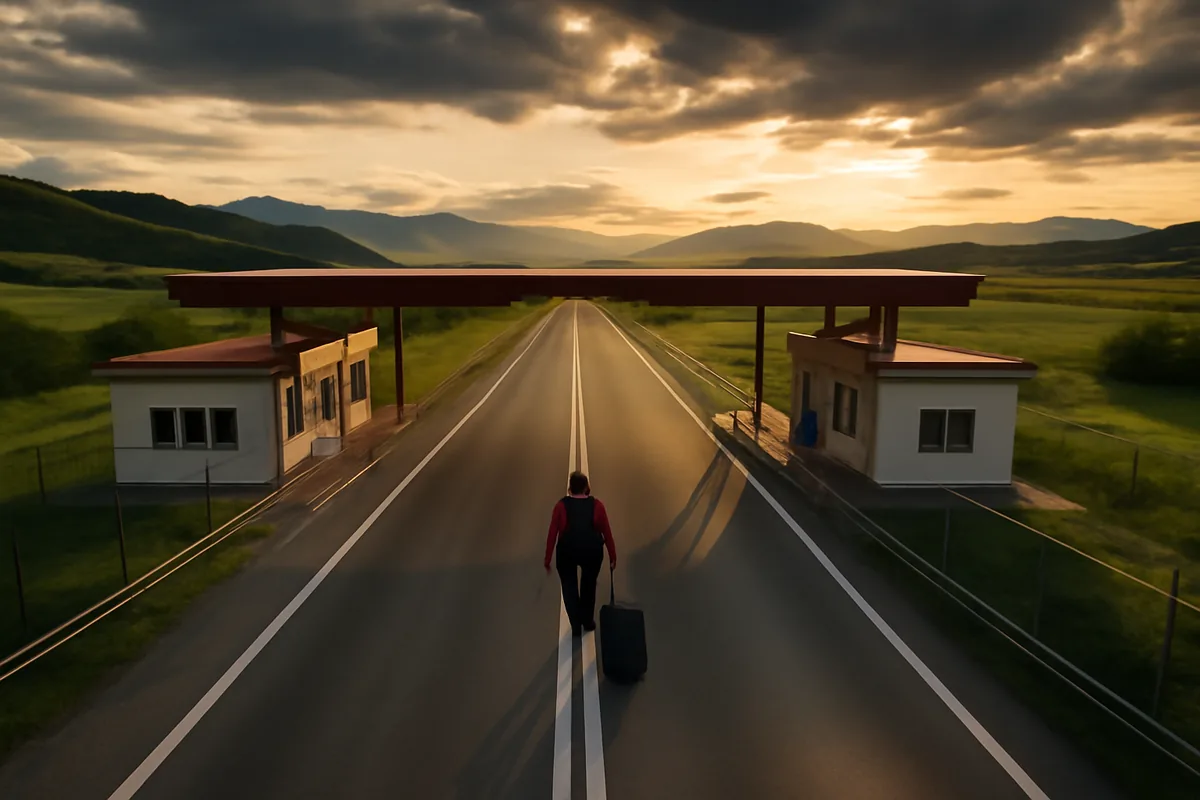

Why Staying Connected in Botswana Is Harder Than You'd Think
Botswana is one of Africa's most rewarding safari destinations — but its vast, sparsely populated landscape means mobile connectivity can be genuinely challenging outside urban centers. The country covers 581,730 km² (roughly the size of France) yet has a population of just over 2.6 million, according to the World Bank. That low population density means the economics of building cell towers in remote wilderness areas simply don't stack up for local carriers.
Here's the thing about international roaming in Botswana: it adds up faster than you'd expect. U.S. travelers on major carriers often pay $10–$15 per day just to activate an international day pass — and that's before factoring in the spotty coverage that makes those charges feel even more painful. An eSIM gives you a smarter alternative: buy a local or regional data plan before you fly, install it in minutes, and switch to it the moment you land.
Whether you're tracking elephants in Chobe National Park, mokoro-ing through the Okavango Delta, or conducting business meetings in Gaborone, this guide covers everything you need to know about eSIM connectivity in Botswana in 2026.
What Is the Mobile Network Coverage Like in Botswana?
Mobile coverage in Botswana is concentrated in the eastern corridor — Gaborone, Francistown, Maun, and Kasane have reliable 4G LTE — but coverage thins out dramatically in the Kalahari and the Delta. The major local networks operate predominantly on 2G and 3G in rural areas, with 4G available in towns and along major highways.
According to the GSMA Mobile Connectivity Index, Botswana's mobile penetration rate exceeded 160% by SIM count in recent years (many residents hold multiple SIMs), reflecting a highly mobile-dependent population. However, geographic coverage remains a work in progress: roughly 70% of the land area has no meaningful mobile signal, which aligns with the vast uninhabited wilderness that makes Botswana so spectacular.
Coverage by Region
| Region | Best Signal | Typical Speed |
|---|---|---|
| Gaborone & surrounds | 4G LTE | 10–40 Mbps |
| Francistown, Maun, Kasane | 4G LTE | 5–20 Mbps |
| Major highways (A1, A3) | 3G/4G | 2–15 Mbps |
| Chobe National Park (camp areas) | 2G/3G | 0.5–5 Mbps |
| Okavango Delta (lodges) | 2G/spotty | Very limited |
| Central Kalahari Game Reserve | No signal | N/A |
Key takeaway: Plan your connectivity needs around where you'll actually be. If your itinerary is mostly Gaborone and a few national park lodges, you'll be fine with a data eSIM. If you're spending a week deep in the Delta, download everything offline and set expectations accordingly.
Does Your Phone Support eSIM in Botswana?
Most modern smartphones sold since 2020 support eSIM, but Botswana's networks add one important wrinkle: your device must be unlocked. If you bought your phone on a carrier contract in the U.S., UK, or Australia, check that it's unlocked before you travel — a locked device won't connect to a foreign eSIM profile regardless of how you install it.
eSIM-compatible devices that work well in Botswana include:
- iPhone: XS/XR and all newer models (iPhone 16 series is eSIM-only in the U.S.)
- Samsung Galaxy: S20 series and newer, Z Fold/Flip series
- Google Pixel: Pixel 3 and newer
- iPad: iPad Pro (2020+), iPad Air (2020+)
One quirk worth knowing: some U.S.-sold iPhone 14/15/16 models are eSIM-only (no physical SIM tray). This is actually an advantage in Botswana — you can run your home number on the eSIM profile and a local data plan on a second eSIM profile simultaneously, keeping WhatsApp and iMessage active on your home number while your data routes through the local network. For tips on keeping your messaging apps running abroad, see our guide on keeping WhatsApp & iMessage while using a data eSIM abroad.
What Are the Real Costs of Roaming in Botswana vs. an eSIM?
The cost difference between traditional roaming and a travel eSIM is stark — and in Botswana, where data is relatively expensive by African standards, it matters even more. A 2026 analysis of major U.S. carrier international plans puts the cost of roaming vs. eSIM alternatives in sharp relief:
- T-Mobile Magenta Max: $0 extra for 5GB of international data at 256 Kbps (throttled), then $5/day for full speed. Fine for light use, painfully slow for maps and photos.
- AT&T International Day Pass: $12/day per line — that's $84 for a week-long safari, before you've even bought a coffee.
- Verizon TravelPass: $10/day — $70 for seven days.
- Mint Mobile: No international roaming in Botswana. You'd need a separate solution entirely. See our breakdown of Mint Mobile international roaming costs vs. eSIM alternatives.
A Simology Botswana eSIM, by contrast, gives you local-rate data without the per-day charges. That's a meaningful saving on a 10–14 day safari trip.
eSIM vs. Roaming Cost Comparison
| Option | 7-Day Cost (est.) | Data Speed | Setup |
|---|---|---|---|
| AT&T International Day Pass | ~$84 | Full LTE | Automatic |
| Verizon TravelPass | ~$70 | Full LTE | Automatic |
| T-Mobile (throttled) | ~$0–35 | 256 Kbps–LTE | Automatic |
| Local Botswana SIM (physical) | ~$10–20 | 4G LTE | In-country shop |
| Travel eSIM (Simology) | Competitive | 4G LTE | Pre-trip, instant |
How Do You Buy and Activate an eSIM for Botswana?
Activating a Botswana eSIM is a five-minute process you can complete from your couch before you pack your bags. The key is to do it before you travel — you don't need a local WiFi connection to install the profile, only to activate it when you arrive.
Step-by-step:
- Check compatibility: Confirm your phone supports eSIM and is unlocked (Settings → General → About → look for "eSIM" or "Digital SIM" on iPhone; Settings → Connections → SIM Manager on Samsung).
- Purchase your plan: Visit Simology's Botswana eSIM page and select a data plan that matches your trip length and usage.
- Receive your QR code: You'll get an email with a QR code within minutes of purchase.
- Install the eSIM: Go to Settings → Cellular (or Mobile Data) → Add eSIM → scan the QR code. This installs the profile but doesn't activate it yet.
- Set your data routing: Configure your phone so your travel eSIM handles data while your home SIM handles calls/texts.
- Activate on arrival: When you land at Sir Seretse Khama International Airport in Gaborone (or Maun Airport if you're flying direct to safari), toggle your eSIM on. It connects automatically.
Not sure how much data you'll actually need for your trip? Our 7/14/30-day eSIM data calculator can help you pick the right plan size based on your usage habits.
What Should You Look for in a Botswana eSIM Plan?
Choosing the right eSIM plan for Botswana comes down to four factors: coverage network, data volume, validity period, and whether you need a regional or country-specific plan. Not all eSIM plans are equal in Botswana — the country's network infrastructure means the underlying carrier partnership matters more than in, say, Western Europe.
Coverage Network
Your eSIM provider routes your data through one of Botswana's local networks. The quality of that partnership determines your real-world speeds. Look for providers that specify which local network(s) their eSIM uses — vague "best available network" language can mean inconsistent results.
Data Volume
For a typical safari trip, here's a rough data budget:
- Google Maps (offline areas downloaded): 200–500 MB for Botswana map data
- WhatsApp messaging + voice calls: ~150 MB/day
- Instagram/social posting (moderate): ~300–500 MB/day
- Email + light browsing: ~100 MB/day
- Video calls (one per day, 20 min): ~300–600 MB/day
A 7-day trip with moderate use lands around 3–5 GB. Heavy users (streaming, video calls, lots of photo uploads) should budget 7–10 GB. If you're traveling with family and sharing data across multiple devices, check out our guide on family travel eSIM plans for multiple devices.
Validity Period
Most Botswana eSIM plans offer 7, 15, or 30-day validity. Match the plan length to your trip — a 30-day plan on a 10-day trip is wasteful, but a 7-day plan on a 12-day trip means buying a top-up mid-safari (which requires WiFi, a potential problem in remote camps).
Regional vs. Country-Specific Plans
If your itinerary extends beyond Botswana — say, a multi-country trip combining Botswana with Zimbabwe (Victoria Falls) or Namibia — an Africa regional eSIM plan may be more economical than buying separate country plans. Check our Africa eSIM options for regional plans that cover Southern Africa. Travelers combining Botswana with a stop in South Africa can also look at South Africa eSIM plans for that leg of the journey.
What's the Reality of eSIM Coverage on Safari in Botswana?
Here's the honest truth that most eSIM guides gloss over: no mobile data plan — eSIM or otherwise — will keep you connected in the deep wilderness areas of Botswana. The Okavango Delta, the Central Kalahari Game Reserve, and much of the Moremi Game Reserve have no meaningful mobile signal. This isn't a flaw in any particular eSIM; it's a geographic reality.
What a good eSIM will do is maximize your connectivity in the places where signal exists:
- Maun: The gateway to the Okavango, Maun has reliable 4G. Stock up on downloads here — maps, podcasts, Netflix offline content — before heading into the Delta.
- Kasane: The base for Chobe National Park has decent 3G/4G. Lodge areas often have WiFi, but it's frequently slow and shared.
- Chobe riverfront camps: Some signal, especially closer to town. Don't count on streaming, but WhatsApp works.
- Private game reserves (eastern Botswana): Better coverage than the Delta. Many lodges in the Tuli Block and Mashatu area have workable 3G.
Practical Tips for Safari Connectivity
- Download Google Maps offline for your entire route before leaving Maun or Kasane. The offline maps work without any data connection.
- Use WhatsApp voice messages instead of calls when signal is weak — they compress better and send on slow connections.
- Enable low-data mode on your iPhone (Settings → Cellular → Cellular Data Options → Low Data Mode) or Android equivalent to stretch your data further.
- Check lodge WiFi passwords at check-in — most upscale lodges have satellite WiFi that's slow but usable for messaging.
- Carry a power bank: Remote camps often have limited charging, and a dead phone is a dead eSIM.
Is It Safe to Buy an eSIM Online for Botswana?
Buying an eSIM online from a reputable provider is as safe as any other digital purchase. Legitimate eSIM providers use standard payment security (PCI-DSS compliant checkout), and the eSIM profile itself is delivered via encrypted QR code. There's no physical SIM to lose or have stolen.
One thing to be aware of: Botswana does not require SIM registration for foreign visitors using international eSIM plans. Local SIM registration rules (Botswana's Communications Regulatory Authority, BOCRA, requires registration of local SIMs under the Electronic Communications Act) apply to residents purchasing local SIMs, not to tourists using foreign-issued eSIM profiles. This means you can activate and use your travel eSIM without any in-country paperwork.
How Does Botswana Compare to Neighboring Countries for eSIM Coverage?
If you're planning a Southern Africa multi-country safari, it's worth understanding how Botswana's connectivity compares to its neighbors. Namibia and Zimbabwe have similar rural coverage challenges; South Africa has significantly better urban coverage and 5G in major cities.
| Country | Urban Coverage | Rural/Safari Coverage | 5G Available | eSIM Support |
|---|---|---|---|---|
| Botswana | 4G LTE (good) | 2G/3G (patchy) | No | Yes |
| South Africa | 4G/5G (excellent) | 3G/4G (moderate) | Yes (major cities) | Yes |
| Namibia | 4G (moderate) | 2G/3G (sparse) | No | Yes |
| Zimbabwe | 4G (moderate) | 2G/3G (patchy) | No | Limited |
| Zambia | 4G (moderate) | 2G/3G (patchy) | No | Yes |
For travelers extending their trip to Namibia or Zambia, separate eSIM plans or a regional Africa plan will serve you better than relying on Botswana coverage across borders.
What Are the Best eSIM Plans for Botswana in 2026?
The best Botswana eSIM plan in 2026 depends on your trip length and data needs. Simology offers country-specific Botswana plans that route through the major local networks, with no throttling on standard plans and transparent pricing. Here's a breakdown of common plan tiers to help you choose:
| Plan Size | Best For | Validity | Estimated Use Case |
|---|---|---|---|
| 1 GB | Short business trip (2–3 days) | 7 days | Email, maps, light messaging |
| 3 GB | Week-long safari, light user | 15 days | Maps, WhatsApp, occasional social |
| 5 GB | Week-long safari, moderate user | 15–30 days | Social media, video calls, browsing |
| 10 GB | Two-week trip or heavy user | 30 days | Streaming, frequent video calls, work |
| 20 GB+ | Digital nomad / extended stay | 30 days | Remote work, video conferencing |
Pro tip: If you're unsure, go one tier up. Running out of data in the Okavango Delta with no way to top up is far more frustrating than having a few hundred MB left over at the end of your trip.
Troubleshooting: What If My eSIM Doesn't Work in Botswana?
eSIM issues in Botswana are rare, but they do happen — usually due to device settings rather than network problems. Here's how to fix the most common issues:
No Signal After Landing
- Toggle Airplane Mode on for 30 seconds, then off. This forces your phone to re-scan for networks.
- Go to Settings → Cellular → Network Selection → Manual, and look for available networks. If you see a local network listed, select it manually.
- Confirm your eSIM is set as the active data SIM (not your home SIM).
- Check that Data Roaming is enabled on your eSIM line (Settings → Cellular → [Your eSIM line] → Data Roaming: ON).
Slow Speeds in Towns
If you're in Maun or Gaborone and getting very slow speeds, try:
- Switching from automatic network selection to manual and selecting a different available network.
- Restarting your phone completely (not just Airplane Mode).
- Checking if your plan has a fair-use throttling policy after a certain data threshold.
eSIM Not Installing
- Ensure you're connected to WiFi when scanning the QR code.
- Check that your phone is unlocked (call your carrier if unsure).
- Make sure you haven't already installed the profile — eSIM QR codes are single-use.
FAQ
Does eSIM work in Botswana's national parks and game reserves?
eSIM works wherever there's a mobile signal, but coverage in Botswana's national parks is limited. Chobe National Park (especially near Kasane) has some 3G/4G signal, but the Okavango Delta, Central Kalahari Game Reserve, and Moremi Game Reserve have little to no coverage. Download offline maps and content in Maun or Kasane before heading into the wilderness.
Do I need to register my eSIM when I arrive in Botswana?
No. Foreign visitors using international travel eSIM plans do not need to register with local authorities in Botswana. SIM registration requirements under Botswana's national communications law apply to local SIM purchases by residents, not to tourist eSIM profiles issued abroad.
Can I use my eSIM and keep my home phone number active at the same time?
Yes — this is one of the biggest advantages of eSIM. Most modern dual-SIM phones let you keep your home SIM (or a second eSIM profile) active for calls and texts while routing data through your Botswana eSIM. Your WhatsApp, iMessage, and phone number all stay live on your home profile.
How much data do I need for a 7-day Botswana safari?
For a 7-day trip with moderate use — maps, daily WhatsApp messaging, some social media posting, and occasional video calls — plan for 3–5 GB. Light users (maps and messaging only) can get by with 1–2 GB. Heavy users who want to stream or make frequent video calls should budget 7–10 GB, keeping in mind that remote areas will have no signal regardless of plan size.
What happens if I run out of data in Botswana?
If you run out of data, you'll need a WiFi connection to purchase a top-up or a new eSIM plan. Most safari lodges have satellite WiFi (slow but functional), and towns like Maun, Kasane, and Gaborone have reliable connectivity. To avoid this situation, buy a slightly larger plan than you think you'll need before departure.
Is a Botswana eSIM cheaper than getting a local SIM card at the airport?
In most cases, yes — especially when you factor in convenience. Local SIM cards at Sir Seretse Khama International Airport or in Gaborone are available but require ID presentation, may involve queuing, and can be confusing if you don't speak the local language fluently. A travel eSIM is purchased and installed before you land, with no airport hassle.
Can I use a Botswana eSIM on my tablet or laptop?
eSIM support varies by device. Most modern iPads and some laptops (including certain Surface and MacBook models with cellular) support eSIM. However, many eSIM data plans are intended for smartphones — check with your provider whether the plan supports tablet or laptop use before purchasing.
Will my eSIM work if I cross into Zimbabwe or Zambia from Botswana?
A Botswana-specific eSIM will not work across the border in Zimbabwe or Zambia. If your itinerary includes Victoria Falls (Zimbabwe side) or Livingstone (Zambia), you'll need a separate country plan or a regional Africa eSIM that covers multiple Southern African countries. Check regional plan options before your trip to avoid connectivity gaps at border crossings.
The Bottom Line: Is an eSIM Worth It for Botswana?
For the vast majority of Botswana travelers, the answer is yes — with realistic expectations. An eSIM won't magically create cell towers in the middle of the Okavango Delta, but it will give you reliable, affordable connectivity in every town, gateway hub, and lodge area where signal exists. Compared to paying $10–$15 per day for carrier roaming, a travel eSIM pays for itself on almost any trip longer than three days.
The practical wins are significant: you activate before you land, you skip the SIM-card hunt at the airport, and you keep your home number active for calls and messages throughout. For family trips, business travelers, and digital nomads, the dual-SIM flexibility alone is worth the switch.
Explore Simology's Botswana eSIM plans to find the right plan for your trip length and data needs. And if you're combining Botswana with other African destinations, check our Africa regional eSIM options for multi-country coverage that keeps you connected across the entire Southern Africa circuit.
Safe travels — and may your signal be strong enough to share those elephant photos the moment you get back to camp.