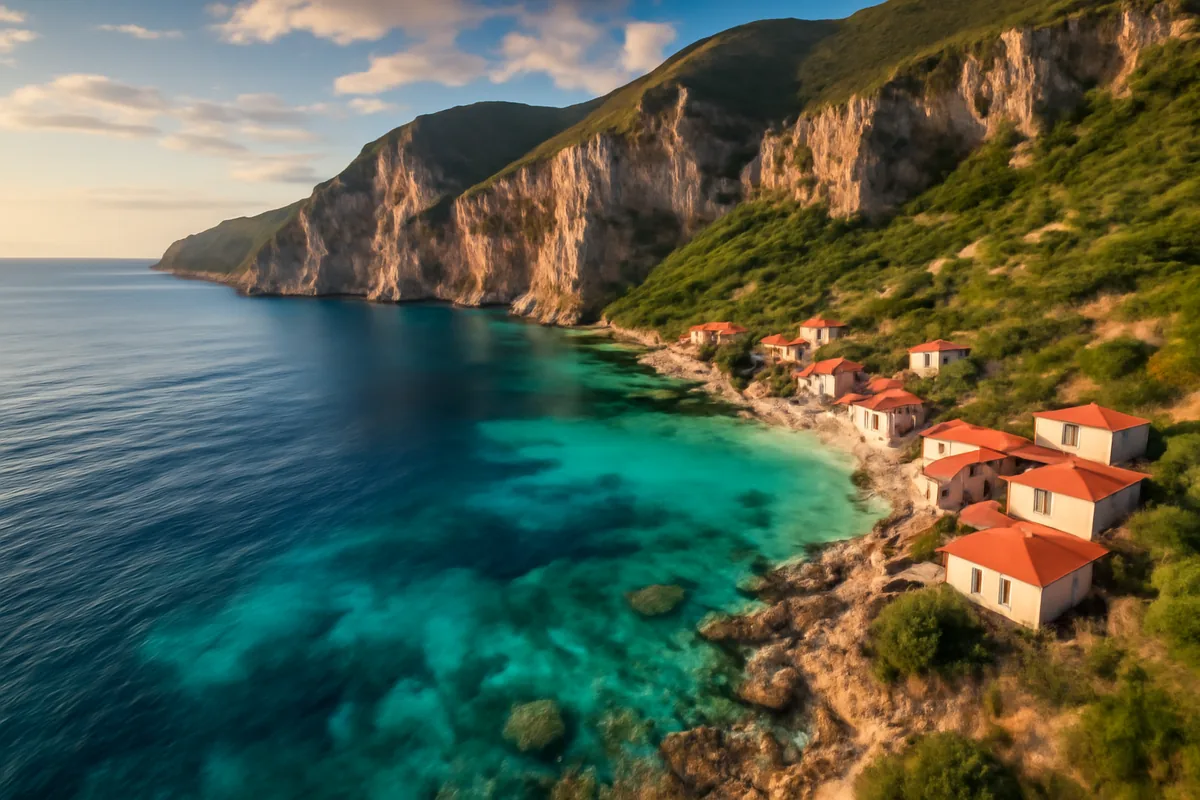

Why Is Europe the World's Top Valentine's Day Destination?
Europe draws more international tourists than any other region on earth — over 748 million international arrivals in 2024 according to the UNWTO — and a significant share of those trips are deliberately romantic. The continent offers an unrivalled combination of historic architecture, world-class cuisine, and compact geography that makes a three-night weekend feel like a proper escape. For couples flying in from North America, Australia, or the Middle East, a European city break in February hits a sweet spot: airfares are lower than peak summer, iconic restaurants are easier to book, and the off-season atmosphere gives famous landmarks a quieter, more intimate quality.
Here's a standout fact worth knowing before you plan: Valentine's Day spending on travel has grown consistently year-on-year, with the National Retail Federation (US) reporting that travel and experiences now account for the largest share of Valentine's Day spending among couples aged 25–44. That shift toward experiences over gifts makes a European weekend getaway one of the most popular choices couples make in February.
Whether you're planning a classic Paris proposal trip, a lesser-known escape to Bruges, or a sun-kissed long weekend in Seville, this guide covers the best destinations, practical planning tips, and everything you need to stay connected without blowing your budget on roaming fees.
Which European Cities Are Most Romantic for Valentine's Day?
The most romantic European cities for Valentine's Day combine walkable historic centers, excellent restaurants, and a sense of atmosphere that feels purpose-built for couples. Paris remains the perennial frontrunner, but Venice, Prague, Vienna, and Seville each offer genuinely distinct romantic experiences — and often at lower cost.
Paris, France — The Classic Choice
No list of romantic European cities is complete without Paris, and the cliché exists for good reason. The city's Haussmann-era boulevards, the Seine riverbanks at dusk, and the sheer density of Michelin-starred restaurants create a backdrop that's almost unfairly romantic. In February, the Jardin du Palais Royal is quiet, the Musée d'Orsay has manageable queues, and a table at a good bistro is actually bookable.
Valentine's Day tip: Skip the Eiffel Tower crowds and instead book a sunset Seine river cruise — operators run private dinner cruises from around €90–€150 per person that include Champagne and views of illuminated monuments. Reserve at least a month in advance.
For seamless navigation between arrondissements and instant restaurant bookings via Google Maps, having reliable mobile data the moment you land is essential. A France eSIM lets you activate data before your flight even touches down at CDG.
Venice, Italy — Most Atmospheric
Venice in February has a secret: it's Carnevale season. The annual festival runs for roughly two weeks leading up to Shrove Tuesday, filling the city with elaborate masks, costumed processions, and an otherworldly atmosphere that no other European city can replicate. Even outside Carnevale dates, February Venice is quieter than summer by a factor of three — the narrow calli feel genuinely intimate, and a gondola ride doesn't involve waiting in a long queue.
Valentine's Day tip: Book a bacaro crawl (Venice's version of tapas bar-hopping) through the Cannaregio district — it's far more authentic than a tourist-facing restaurant and costs a fraction of the price.
Prague, Czech Republic — Best Value
Prague consistently ranks among Europe's most beautiful cities, and it's dramatically more affordable than Paris or Venice. A three-night Valentine's weekend for two — including a boutique hotel in the Old Town, dinners, and activities — can come in under $600 total. The Charles Bridge at dawn, the astronomical clock, and the castle district lit up at night deliver genuine romantic drama without the price tag.
Valentine's Day tip: Book a private tasting at one of the city's wine bars in the Vinohrady neighborhood — far more intimate than the busy tourist-facing spots in Old Town Square.
Vienna, Austria — Most Elegant
Vienna offers a Valentine's experience built around high culture: opera, concert halls, grand coffeehouses, and some of Europe's finest pastry. The Staatsoper (State Opera) runs performances through February, and even standing-room tickets (around €15–€20) offer an extraordinary experience. The Naschmarkt food market on a Saturday morning is one of the most romantic strolls in Central Europe.
Valentine's Day tip: Book afternoon Kaffee und Kuchen (coffee and cake) at Café Central or Café Landtmann — an experience that costs under $30 for two but feels genuinely Viennese.
Seville, Spain — Best for Warmth
If you want to escape the grey February skies of Northern Europe or North America, Seville is the answer. Average February temperatures hover around 61°F (16°C) — warm enough for outdoor tapas, flamenco shows in intimate tablao venues, and evening walks along the Guadalquivir river. The city is also significantly less expensive than Madrid or Barcelona.
Valentine's Day tip: Book a private flamenco show at a small tablao rather than one of the large tourist venues — the experience is far more intense and authentic.
For couples island-hopping between Spain's cities or continuing to Portugal, a Western Europe eSIM covers multiple countries on a single plan — no swapping SIMs between Madrid and Seville.
How Far in Advance Should You Book a Valentine's Trip to Europe?
For Valentine's Day travel to Europe, you should book flights and hotels at least 6–8 weeks in advance — ideally by late December for a February 14 trip. The closer you get to the date, the more prices spike and availability narrows, particularly for boutique hotels and popular restaurants.
Here's a realistic planning timeline:
| When to Book | What to Prioritize |
|---|---|
| December (8–10 weeks out) | Flights, boutique hotels, and Michelin-starred restaurants |
| Early January (6–8 weeks out) | Mid-range hotels, popular tours, and cooking classes |
| Late January (2–4 weeks out) | Budget hotels, day-trip tickets, and local experiences |
| 1 week before | Last-minute restaurant slots (check cancellation lists) |
Pro tip: Valentine's Day falls on a Saturday in 2026, which means the entire weekend (February 13–15) will be in demand. If you have flexibility, traveling February 11–13 or February 15–17 can save 20–30% on accommodation.
What Are the Best Lesser-Known Romantic Destinations in Europe?
Beyond the classic cities, Europe has a tier of deeply romantic destinations that most Valentine's Day guides overlook — and that's precisely what makes them special. These spots offer genuine intimacy, lower costs, and the satisfaction of going somewhere that feels discovered rather than packaged.
Bruges, Belgium
Often called "the Venice of the North," Bruges is a UNESCO-listed medieval city of canals, chocolate shops, and Gothic architecture. It's a 2-hour train ride from Brussels airport, making it easy to reach. In February, the city is blanketed in a quiet that summer never allows — horse-drawn carriage rides through cobblestone streets feel genuinely magical rather than touristy.
Hallstatt, Austria
One of the most photographed villages in Europe, Hallstatt sits on the edge of an Alpine lake and looks almost fictional. It's a 4-hour drive or train journey from Vienna. February brings snow to the surrounding peaks while the lakefront remains walkable — the combination is extraordinary. Accommodation is limited, so book early.
Sintra, Portugal
Just 40 minutes from Lisbon by train, Sintra is a UNESCO World Heritage site of palaces, castles, and forested hills that feel like a fairy tale. Couples can spend a full day exploring Pena Palace (painted in vivid yellows and reds) and the ruined Moorish Castle without the summer crowds. Pair it with a night in Lisbon for a complete romantic weekend.
Kotor, Montenegro
For couples who want dramatic scenery without the crowds or costs of Italy, Kotor delivers. The walled Old City sits at the foot of steep limestone mountains on a Adriatic bay — it's a UNESCO site that still feels genuinely undiscovered. February is quiet and mild, and accommodation in the Old Town runs a fraction of what you'd pay in Dubrovnik.
How Do You Plan the Perfect Romantic European Weekend Itinerary?
A perfect romantic European weekend comes down to three principles: don't over-schedule, prioritize atmosphere over attractions, and build in slow mornings. The couples who have the best trips are the ones who resist the urge to tick off every landmark and instead linger over a long breakfast, get lost in a neighborhood, and stumble onto something unexpected.
A Sample 3-Night Paris Itinerary
Day 1 (Arrive Friday evening)
- Check into your hotel, freshen up
- Evening stroll along the Seine, aperitifs at a wine bar in Saint-Germain-des-Prés
- Dinner at a classic French bistro (book in advance)
Day 2 (Saturday — Valentine's Day)
- Slow morning: croissants and coffee at a neighborhood café
- Afternoon: Musée d'Orsay (book timed entry online)
- Late afternoon: walk through the Marais district
- Evening: Seine dinner cruise or a special-occasion restaurant
Day 3 (Sunday)
- Morning: Montmartre and Sacré-Cœur (quieter before 10am)
- Afternoon: Explore Père Lachaise or the Palais Royal gardens
- Early evening: champagne at a rooftop bar before heading to the airport
Using shareable map tools like Google Maps or Apple Maps to build a shared itinerary before you travel means both partners can navigate independently and add spots they discover — a small touch that makes the trip feel collaborative rather than one-sided.
What Does a Valentine's Weekend in Europe Actually Cost?
Costs vary significantly by destination, but here's a realistic breakdown for a 3-night Valentine's weekend for two, including flights from the US East Coast:
| Destination | Budget (Economy) | Mid-Range | Splurge |
|---|---|---|---|
| Paris | $1,800–$2,400 | $3,000–$4,500 | $6,000+ |
| Venice (Carnevale) | $2,000–$2,800 | $3,500–$5,000 | $7,000+ |
| Prague | $1,200–$1,800 | $2,200–$3,200 | $4,500+ |
| Vienna | $1,500–$2,200 | $2,800–$4,000 | $5,500+ |
| Seville | $1,400–$2,000 | $2,500–$3,500 | $5,000+ |
| Bruges | $1,300–$1,900 | $2,400–$3,400 | $4,800+ |
Estimates include return economy flights from New York, 3 nights accommodation, dining, activities, and local transport. Prices are approximate for February 2026.
Where to save money without sacrificing romance:
- Stay in a boutique hotel in a residential neighborhood rather than a tourist-facing location — often 30–40% cheaper with a more authentic feel
- Eat lunch at the same restaurants you'd visit for dinner — menus are often identical but lunch prix-fixe prices are significantly lower
- Use city transit cards rather than taxis — Paris's Métro, Vienna's U-Bahn, and Prague's tram network are all excellent
- Travel Wednesday–Sunday instead of Friday–Sunday to avoid weekend flight price premiums
How Do You Stay Connected in Europe Without Paying Roaming Fees?
Roaming fees from US, UK, Australian, or Canadian carriers can add $10–$15 per day in Europe — that's $30–$45 on a three-night weekend that could pay for a nice dinner instead. The simplest solution is a travel eSIM, which you activate before departure and connects automatically to local networks when you land.
According to the GSMA's Mobile Economy report, eSIM adoption has grown dramatically, with billions of eSIM-capable devices now in use globally — meaning most modern smartphones (iPhone XS and later, most Android flagships from 2020 onward) already support eSIM without any hardware changes.
Here's how eSIM connectivity compares to the alternatives for a European Valentine's trip:
| Option | Cost (3 nights) | Setup | Reliability |
|---|---|---|---|
| Home carrier roaming | $30–$45+ | None needed | Good |
| Local SIM card | $10–$20 | Buy on arrival | Good |
| Travel eSIM (e.g. Simology) | $8–$18 | Activate before departure | Excellent |
| Hotel/café WiFi only | Free | None | Unreliable |
A travel eSIM wins on convenience: you activate it from home, it works the moment your plane lands, and you keep your home number active on the same device for calls and texts. For a Valentine's trip where you want everything to go smoothly — restaurant bookings, maps, sharing photos instantly — that instant connectivity matters.
If you're visiting multiple countries (say, France and Italy on the same trip), a regional European eSIM covers you across borders without any plan changes. Simology's Western Europe eSIM covers the major destinations in a single plan.
For country-specific trips, individual destination eSIMs for Italy or France offer the best value per gigabyte.
What Should You Pack for a Valentine's Trip to Europe in February?
February in Europe spans a wide range of climates — from 28°F (-2°C) in Prague to 61°F (16°C) in Seville — so packing depends heavily on your destination. That said, there are universal essentials for a romantic city break.
Clothing essentials:
- A smart-casual outfit for dinner (European restaurants lean dressier than American equivalents)
- A warm, packable coat — even Seville gets cool evenings
- Comfortable walking shoes that look good (you'll walk 8–12 miles a day in most European cities)
- A light layer for museums and churches (some require covered shoulders)
Tech essentials:
- Universal EU power adapter (Type C/E/F plugs for most of continental Europe, Type G for the UK)
- Portable charger/power bank — a full day of navigation and photography drains a battery
- Your eSIM activated and tested before departure
- Offline maps downloaded for your destination (Google Maps allows offline download of entire cities)
Romance-specific additions:
- A small, portable Bluetooth speaker for hotel room ambiance
- A printed or handwritten note — analog gestures hit differently in a digital age
- A reservation confirmation printed or saved offline (restaurant WiFi can be unreliable)
Is Valentine's Day Travel in Europe Worth It for Non-EU Travelers?
Absolutely — and the case is stronger than ever in 2026. The combination of shoulder-season pricing, reduced crowds at major attractions, and the genuine atmosphere of European cities in winter makes February one of the best months to visit. The only real drawback is weather, which is manageable with the right destination choice and packing strategy.
For travelers from North America or Australia, the transatlantic or long-haul flight cost is the biggest variable. February airfares from New York to Paris typically range from $450–$800 return in economy — lower than June or July by 30–40%. From London or other European hubs, a Valentine's city break is even more accessible, with budget carriers offering return fares under $100 to Prague, Seville, or Vienna.
The UNWTO's 2025 Tourism Highlights report notes that intra-European travel recovered fully post-pandemic and has continued to grow, with city breaks remaining the dominant travel format. That sustained demand is precisely why booking early matters — the market is competitive.
For families planning ahead beyond Valentine's Day, it's worth exploring holiday travel deals with shared data packs that cover multiple devices on a single plan — useful if you're extending the trip or traveling with older children.
FAQ
When is the best time to book flights for a Valentine's Day trip to Europe?
Book flights by late December for a February 14 trip — ideally 8–10 weeks in advance. Valentine's Day 2026 falls on a Saturday, making the entire weekend (February 13–15) high-demand. Traveling a day or two before or after the 14th can save 20–30% on both flights and accommodation.
Do I need a visa to visit Europe for Valentine's Day?
It depends on your passport. US, UK, Canadian, and Australian citizens can visit most EU/Schengen countries visa-free for up to 90 days. However, the EU's ETIAS (European Travel Information and Authorization System) is expected to be operational in 2026 — non-EU travelers from visa-exempt countries will need to register online before travel. Check the official ETIAS website for the latest status and requirements.
What is the cheapest romantic European city to visit for Valentine's Day?
Prague is consistently the most affordable romantic European city for Valentine's Day. A 3-night trip for two including flights from New York, boutique accommodation, and dining can come in under $1,800. Krakow, Porto, and Tallinn are also excellent budget-friendly alternatives with genuine romantic atmosphere.
How do I use my phone in Europe without huge roaming charges?
The easiest solution is a travel eSIM, which you activate before departure and connects automatically to local networks when you land. It's typically $8–$18 for a 3-night trip, compared to $30–$45+ in carrier roaming fees. Most iPhones from XS onward and Android flagships from 2020 onward support eSIM — check your settings under "Mobile Data" or "Cellular" to confirm.
Is Venice too crowded for Valentine's Day in February?
Venice in February is dramatically less crowded than summer — but if your dates overlap with Carnevale (which runs for roughly two weeks before Shrove Tuesday), expect significant crowds in the main tourist areas. The upside is that Carnevale adds extraordinary atmosphere. Book accommodation in Cannaregio or Dorsoduro rather than near San Marco to get a more local experience even during the festival.
What's the most romantic restaurant experience in Paris for Valentine's Day?
For Paris, a private cabin on a Seine dinner cruise combines the city's most iconic views with an intimate setting — prices run €90–€150 per person including wine. If you prefer a fixed venue, aim for a classic neighborhood bistro in the 6th or 7th arrondissement rather than a tourist-facing restaurant near the Eiffel Tower. Book at least 4–6 weeks in advance for Valentine's weekend.
Can I use one eSIM across multiple European countries on the same trip?
Yes — regional European eSIM plans cover multiple countries on a single data plan, so you don't need to swap or top up when crossing borders. This is particularly useful for trips that combine cities: Paris and Amsterdam, Rome and Florence via train, or a multi-city Iberian trip through Spain and Portugal. A Western Europe regional plan is the most flexible option for multi-country Valentine's itineraries.
What European destination is best for Valentine's Day if we hate cold weather?
Seville in southern Spain is the best choice for warmth, with average February temperatures around 61°F (16°C) and reliable sunshine. The Algarve coast of Portugal and Malta are also warm in February. If you're open to going slightly beyond Europe, the Canary Islands (technically Spain) offer beach-level warmth — around 70°F (21°C) — with easy access from most European airports.
The Bottom Line: Making Your Valentine's European Escape Unforgettable
Europe in February offers something genuinely rare: the world's most romantic cities at their quietest and most affordable. Whether you choose the timeless grandeur of Paris, the carnival magic of Venice, the fairytale streets of Bruges, or the sun-soaked warmth of Seville, the key ingredients are the same — book early, prioritize atmosphere over a checklist of attractions, and make sure the practical logistics (transport, connectivity, reservations) are sorted before you arrive.
The couples who have the best Valentine's trips aren't the ones who spent the most — they're the ones who planned thoughtfully and left enough room for the unexpected. A wrong turn in Prague that leads to a hidden wine bar. A rainy afternoon in Paris that turns into two hours in a café with a shared book. Those are the moments that last.
Handle the logistics — flights booked, eSIM activated, restaurant reserved — and then let Europe do the rest. It's been doing this for centuries.